
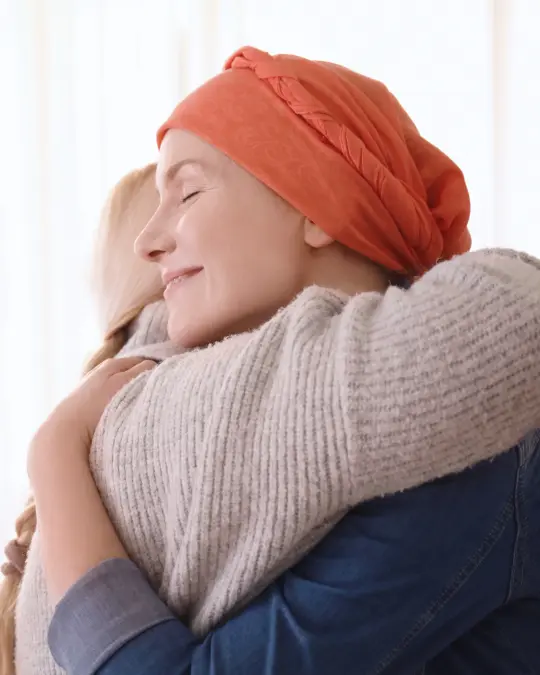
I see many Survivors who come to me at diagnosis or part way through treatment saying “I just want to get back to normal, back to my life”. The truth is that while many things can get back to where they were before, a cancer journey changes you. You live a “new normal” after a cancer diagnosis. The emotional and physical journey you go on as a Survivor changes you as a person, both emotionally and physically. Some of these changes are negative, for example long-term and late effects of cancer treatment, but some changes can be positive.
Survivorship care distinguishes between two types of physical effects. Knowing what category something falls into helps you know what kind of monitoring or support is appropriate.
Long-term effects
These begin during or shortly after treatment and persist afterwards
– Fatigue that doesn’t fully resolve
– Joint stiffness and aches, common with hormone blockers
– Menopausal symptoms – hot flashes, night sweats, vaginal and urinary changes(Genito-urinary syndrome of menopause, or GSM)
– Changes in concentration or memory
– Peripheral neuropathy
– Lymphoedema
– Shifts in mood, body image, and emotional wellbeing
Late effects
These can emerge months or years after treatment ends
– Reduced bone density and bone fracture risk
– Cardiovascular changes, especially after certain chemotherapies or chest-area radiation
– Fertility and reproductive changes
– Second, unrelated cancers
– Long-term cognitive and emotional effects
Good Oncology units provide you with a clear follow-up plan to pick up these issues and provide solutions. Most of the negative physical changes can be mitigated with the right expertise from the right professional. For example, seeing an Oncology-trained biokineticist or physiotherapist can help with a good exercise programme geared to you and your fitness level. Exercise helps with fatigue, regaining strength and mobility post-treatment, mental health, and much more. To deal with sexual health issues see a physiotherapist who specializes in pelvic floor rehabilitation, or Medical doctor trained in sexual health issues. A lymphoedema specialist will help with supportive underwear, and exercises and techniques to improve lymphoedema. Hyperbaric oxygen may also help.
Make sure you follow advice on when to get a bone density scan, when to have a cardiology check-up, and when you need follow-up scans.
Often the hardest thing to overcome is the mental and emotional toll of having had cancer – the constant fear of recurrence, the loss of trust in your body, the effect of the cancer journey on your relationships. Learning to manage these things can be empowering and very positive with the right approach. Get professional help where appropriate. Cancer may have pointed you to an unresolved trauma that you can now deal with and feel the freedom it brings. You may have discovered that you have strength you never knew you had. You have faced a life-threatening disease and survived – well done!
The outcome of the mental/emotional issues you have faced, and the resultant long-term effects you achieve, depend on how you approach the journey. If you allow fear and anxiety to take over, life is going to become unbearable. If you can stay positive and grateful, find small joys in the day-to-day, surround yourself with the right people, love yourself enough to take care of yourself, you will learn to trust your body again and find peace. We do have control of our minds – what we think, what we put into it – so use your mind wisely, feed it the right stuff, and cancer will end up a blessing rather than a curse. All the lessons you have learned will make your life richer going forward.
Managing long-term and late effects works best when it draws on both rigorous clinical evidence and attention to your lived, day-to-day experience. Nutrition, sleep, movement, and emotional support all play a measurable role alongside medical management. This is the foundation of the support Hartreach Breast Cancer Survivorship Programme offers: helping you reclaim a sense of steadiness in your body, understand what you are experiencing and why, and rebuilding your life beyond a treatment-focused identity.